
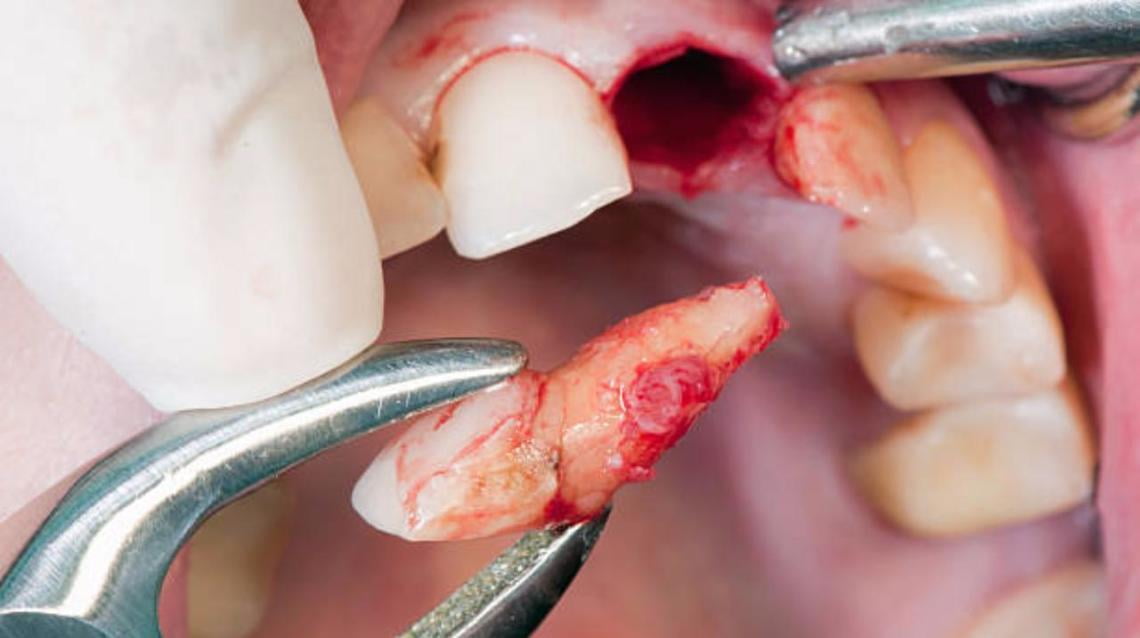
Tooth extraction is one of the most common dental procedures. Most people will need at least one tooth removed in their lifetime. While it might seem scary at first, knowing what to expect can help make the experience easier and less stressful. This guide explains everything you need to know—why extractions are done, what happens during the procedure, how to prepare, and how to take care of yourself afterward.
What Is a Dental Extraction?
A dental extraction (also called a tooth extraction) is the removal of a tooth from its socket in your jawbone. It’s a minor surgery but is typically quick and safe when done by a dentist or oral surgeon. The goal is to protect your overall oral health when a tooth can’t be saved.
There are two main types:
- Simple extraction: Performed on teeth that are visible and easily accessible.
- Surgical extraction: Performed on teeth that are broken, impacted (e.g., wisdom teeth), or below the gumline. This may involve cutting into gum tissue or removing some bone.
Why Might You Need a Tooth Extracted?
Dentists prefer to save natural teeth whenever possible, but extraction is sometimes the best treatment for your health. Common reasons include:
1. Severe Decay
When a cavity is very large and the tooth structure cannot be restored safely, removing it prevents spread of infection.
2. Infection or Abscess
If the infection reaches the pulp (the innermost part of the tooth) and cannot be treated with root canal therapy, the tooth may need to be removed to stop the infection from spreading.
3. Periodontal (Gum) Disease
Advanced gum disease can loosen teeth so badly that keeping them in place isn’t healthy for the rest of your mouth.
4. Impacted or Blocked Teeth
Wisdom teeth often don’t have room to grow in properly. Impacted wisdom teeth can damage nearby teeth and bone or cause pain.
5. Orthodontic Needs
Sometimes a tooth must be removed to create space for proper alignment during braces or other orthodontic treatment.
6. Trauma and Injury
If a tooth is fractured beyond repair from an accident or injury, it might need to be taken out.
Every case is unique. Your dentist will examine your mouth, often take X-rays, and talk with you before recommending an extraction.
What Happens During the Extraction
- Numbing the Area: You’ll receive a local anesthetic so you don’t feel pain during the procedure. For more complex cases, sedation or general anesthesia might be used.
- Loosening the Tooth: The dentist uses special tools to gently loosen the tooth in the socket.
- Removing the Tooth: Using forceps, the dentist removes the tooth once it’s loose.
- Closing the Site: A blood clot forms naturally in the empty socket, which is essential for healing. Sometimes stitches are placed if needed.
The procedure is usually quick—often under 30 minutes—but surgical extractions can take longer.
What to Expect After Extraction
After the anesthetic wears off, some discomfort and swelling are normal. It’s important to follow post-care instructions to promote healing and avoid complications.
Normal After-Effects
- Mild bleeding in the first 24 hours
- Swelling and tenderness
- Bruising around your gums or jaw
- Slight discomfort that gradually improves
Pain Management
Your dentist may recommend or prescribe pain relievers. Over-the-counter medications like ibuprofen or acetaminophen help many people comfortably manage pain.
Diet
Stick to soft foods (e.g., yogurt, mashed potatoes, soups) for the first few days. Avoid hot, spicy, or hard foods that can irritate the extraction site.
Oral Hygiene
Keep your mouth clean, but be gentle. Avoid vigorous rinsing or brushing near the extraction site during the first day to protect the blood clot. After 24 hours, rinsing gently with warm salt water can help.
Activities to Avoid
- Using straws can dislodge the clot.
- Smoking or vaping slows healing and increases complication risk.
- Avoid heavy exercise for a couple of days.
When Should You Call Your Dentist?
Contact your dentist promptly if you experience:
- Severe or increasing pain after a few days
- Fever, chills, or swollen lymph nodes
- Pus or bad smell that doesn’t improve
- Numbness that doesn’t go away
- Bleeding that won’t stop after proper pressure
Why to choose Oral Medics Dental Clinic for extractions?
Choose Oral Medics Dental Clinic for safe, expert tooth extractions because we combine experienced dentists with modern technology and personalized care. We ensure gentle, accurate procedures, clear communication, and comfortable recovery support so you feel confident and cared for throughout your treatment.
