
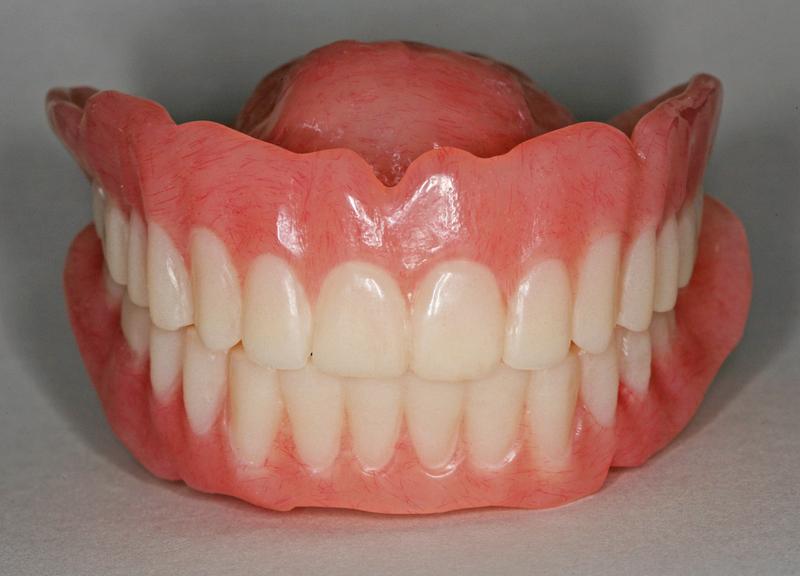
Losing all your natural teeth can be a challenging experience, affecting your ability to eat, speak, and smile confidently. Thankfully, modern dentistry offers a solution called complete dentures—removable prosthetic teeth and gums designed to replace all missing teeth in one or both jaws.
Complete dentures help restore function, appearance, and quality of life. At Oral Medics Dental Clinic, our goal is to make your experience with dentures comfortable, successful, and empowering through education and care.
What Are Complete Dentures?
A complete denture is a removable dental appliance that replaces all missing teeth and the surrounding gum structures in the upper jaw (maxilla), lower jaw (mandible), or both. They are custom-made to fit your mouth and are supported by the soft tissues of your gums.
Unlike partial dentures (which replace only some missing teeth), complete dentures are used when all teeth are missing in an arch.
Why Are Complete Dentures Needed?
Complete dentures are commonly recommended when:
- All natural teeth in one or both jaws are missing.
- Remaining teeth are not restorable due to severe decay, infection, or advanced gum disease.
- Alternative prosthetics (like dental implants) are not suitable—due to medical, anatomic, or financial reasons.
Missing teeth not only affect chewing and speech but also facial support. Without tooth and gum support, facial muscles can sag, making a person look older. Dentures help restore facial contours and smile aesthetics.
Types of Complete Dentures
Conventional Dentures
These dentures are made after all remaining teeth have been removed and the tissues have healed. The healing period usually takes a few weeks or months, depending on individual circumstances.
Immediate Dentures
These dentures are fabricated before the extraction of teeth and inserted immediately after tooth removal. This means you never have to go without teeth. However, they may need more adjustments as healing progresses.
Both types serve the same purpose—restoring function and aesthetics—but differ in timing and adjustment requirements.
How Are Complete Dentures Made?
Creating complete dentures is a careful process that typically takes multiple dental visits.
1. Initial Examination and Planning
During your first visit, the dentist will assess your oral health, bone structure, gum condition, and discuss your expectations and concerns.
2. Impressions
A series of impressions (molds of your mouth) are taken to record the exact shape and size of your gums and oral structures.
3. Bite Registration
This step measures how your jaws meet, helping determine the correct position for your teeth so that you can chew and speak comfortably.
4. Try-In Stage
A sample set of teeth set in wax is tried in your mouth so you and the dentist can check fit, appearance, and bite before the final dentures are made.
5. Final Denture Delivery
Your finished dentures are placed, adjusted, and polished for comfort and function.
The entire process usually requires 5–6 visits spread over several weeks.
Getting Used to Your New Dentures
It is normal to experience:
- Discomfort or bulkiness in the first days.
- Increased saliva as your mouth adjusts.
- Sore spots or areas needing adjustment.
- Learning to eat and speak again.
Your tongue and lips may need time to adapt to the new dentures, and you might swallow and speak differently initially. With practice, most patients become comfortable over a few weeks to months.
Caring for Your Dentures
Proper care is essential to maintain healthy tissues and prolong the life of your dentures.
Daily Cleaning
Clean your dentures every day using a soft denture brush and mild, denture-specific cleaner. Avoid toothpaste that may scratch the surface.
Oral Hygiene
Even without natural teeth, clean your gums, tongue, and palate to remove plaque and stimulate blood flow.
Overnight Removal
Remove your dentures at night to give your gums a rest and reduce the risk of irritation.
Regular Check-Ups
Visit Oral Medics Dental Clinic regularly so we can check fit, function, and oral health. Your dentures may need periodic relining or adjustments to maintain comfort.
Diet and Eating Tips
- Begin with soft foods cut into small pieces.
- Chew with both sides of your mouth to balance pressure.
- Avoid very sticky or hard foods in the early phase.
- Practice speaking aloud to gain confidence.
Balanced nutrition is important, so try to include fiber, proteins, and vegetables in your diet.
Signs You May Need a Denture Adjustment or Replacement
Complete dentures typically last 5–7 years, but certain signs may mean it’s time to see your dentist sooner:
- Frequent sore spots or pain.
- Difficulty chewing or speaking.
- Chips, cracks, or worn denture teeth.
- Loose fit or slipping dentures.
- Changes in facial appearance due to bone changes.
Common Concerns and Misconceptions
Will dentures feel like real teeth?
Dentures will not feel exactly like natural teeth, but with time and adaptation, many patients find them comfortable and usable.
Can I smile confidently?
Yes! Complete dentures support lips and facial muscles, improving your appearance and smile.
Are dentures only for elderly people?
No. Anyone who has lost all their teeth in one or both jaws can benefit from complete dentures.
Conclusion
Complete dentures are an effective, time-tested solution for replacing missing teeth, restoring your ability to eat, speak, and smile confidently. At Oral Medics Dental Clinic, we are dedicated to providing compassionate care, thorough education, and personalized treatment planning to help you make the most of your dentures.
If you have any questions or concerns, don’t hesitate to talk to your dentist—we are here to support you every step of the way.
