
You finally got your braces off — and what a journey it has been! Months (or even years) of appointments, tightening visits, and patience have given you the straight, beautiful smile you always wanted. But your orthodontic care doesn’t end the day your braces come off. That’s where retainers come in — one of the most important parts of your treatment.
In this guide, we explain why retainers are crucial, what happens when you don’t wear them, how relapse occurs, and how we can treat it here at Oral Medics Dental Clinic.
What Is a Retainer and Why Do You Need It?
After braces or clear aligners move your teeth into their ideal positions, your teeth and the tissues around them need time to adapt. The bone, ligaments, gums, and muscles all must stabilize in this new alignment. During this “retention phase,” your teeth are very likely to drift back toward their old positions — a process called orthodontic relapse.
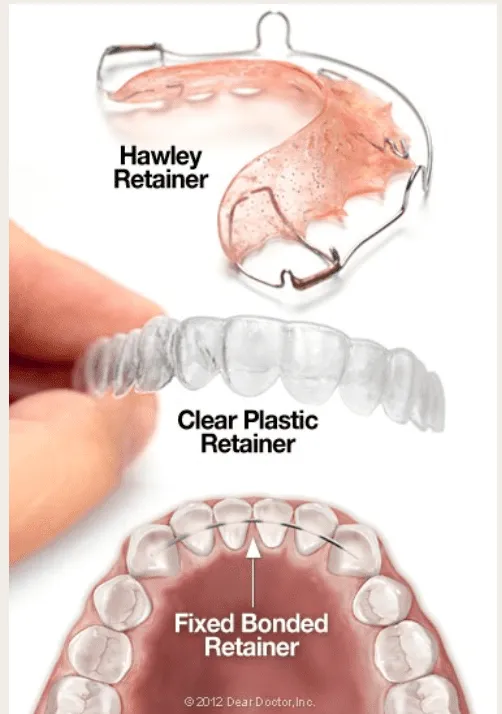
A retainer is a custom dental appliance designed to hold your teeth in place while this stabilization happens. Depending on your needs, it may be:
- Removable: You wear it most of the day initially, then mostly at night.
- Fixed (Bonded): A thin wire bonded behind your teeth for long-term stability.
Your orthodontist will prescribe wear instructions based on your age, treatment, and dental profile.
What Happens If You Don’t Wear Your Retainer?
1. Teeth Start Shifting Back — Relapse
The most common consequence of not wearing your retainer is teeth gradually drifting back toward their pre-treatment positions. This may start within days or weeks of stopping retainer wear and becomes more noticeable over months.
This relapse can take many forms:
- Rotation or crowding of the teeth
- Gaps reappearing
- Uneven bite or changes in how upper and lower teeth meet
Even small shifts can affect your smile’s appearance and function.
2. Bite Issues and Discomfort
Orthodontic treatment doesn’t just align teeth — it also improves your bite (occlusion). When teeth drift back, your bite can shift too. This may lead to:
- Difficulty chewing
- Jaw pain or clicking
- Increased risk of temporomandibular joint (TMJ) disorders
Such problems are not just cosmetic — they can affect your overall oral health and comfort.
3. Your Retainer May No Longer Fit
If your teeth move enough, your existing retainer — especially removable ones — may no longer fit properly. Trying to force a misfitting retainer can damage it and may hurt your teeth.
In some cases, patients find their retainer becomes tight and uncomfortable after even a short break — a sign that their teeth have shifted.
4. Greater Risk of Relapse Later in Life
Contrary to what many people think, teeth don’t magically stop shifting once braces are removed. Adults and teens alike can experience movement over time due to natural growth, jaw changes, dental wear, and everyday habits. Some patients may need nighttime retainer wear indefinitely to preserve their smile.
Why Does Relapse Happen Even With Braces?
Even with excellent orthodontic work, teeth have a “memory” of their original, pre-treatment positions. After braces remove the mechanical forces holding teeth in place, the surrounding tissues — muscles, gums, bone — are under biological pressures that can pull teeth back.
Key reasons relapse occurs include:
- Not wearing your retainer as prescribed
- Oral habits like tongue thrusting, chewing on objects, or grinding
- Growth changes in teens and young adults
- Natural aging processes
- Incomplete stabilization of bone and gums
Failing to wear your retainer consistently is the most common and preventable cause.
How Do We Treat Orthodontic Relapse?
If you’ve noticed your teeth shifting after stopping retainer wear, don’t worry — there are several treatment options, depending on how severe the movement is.
1. Resume Retainer Wear
For very mild relapse — say a little tightness or slight rotation — simply wearing your retainer again consistently can help nudge teeth back into place. This works best if the retainer still fits comfortably.
Your orthodontist might advise:
- Full-time wear again for a period
- Transitioning to nighttime wear once stability improves
- A new retainer if the old one doesn’t fit
2. New or Adjusted Retainers
If the old retainer no longer fits at all, we can take new dental impressions or scans to fabricate a new one. For mild to moderate shifts, this is often enough to prevent further movement and regain stability.
3. Short-Term Orthodontic Touch-Up
For more noticeable relapse, we may recommend a short course of clear aligner therapy or fixed braces to correct the shift. These touch-up treatments are typically shorter than your original treatment and target specific alignment issues.
4. Full Orthodontic Retreatment
In cases of significant relapse (e.g., teeth returning nearly to pre-treatment positions), a comprehensive retreatment plan may be needed. This often involves braces or aligners again — much like your original treatment — and may take months to a year or more, depending on complexity.
Tips to Prevent Relapse and Protect Your Smile
Here are some practical tips to help you maintain your beautiful, straight smile:
✅ Wear your retainer exactly as instructed — it’s not optional.
✅ Keep it clean — a dirty retainer can harbor bacteria.
✅ Protect it — use the case provided and avoid heat or crushing it.
✅ Replace lost or damaged retainers promptly.
✅ Stay consistent — many orthodontists recommend nighttime wear for life.
✅ Attend follow-up visits at Oral Medics Dental Clinic so we can monitor your retention phase.
Why To Choose us?
Orthodontic treatment is a long-term investment in your smile, your oral health, and your confidence. But without consistent retainer wear, all that hard-earned progress can slowly drift away.
Don’t let relapse undo your results — compliance with retainer wear is the key to a lasting, beautiful smile.
If you have questions about your retainer, notice shifting, or want a follow-up check, book an appointment with Oral Medics Dental Clinic. We’re here to help you keep your smile aligned for life! 😊
