Many people use smokeless tobacco products such as chewing tobacco, khaini, gutkha, zarda, or paan with tobacco. Some treat it as a habit, pastime, or cultural practice. But when it comes to oral health — your teeth, gums, and overall mouth — chewing tobacco can have serious consequences.
1.What is Chewing Tabacco
Chewing tobacco is a form of smokeless tobacco — placed between your cheek and gum instead of being burned and inhaled. The harmful chemicals are absorbed directly through the lining of your mouth. This direct exposure can damage the tissues, teeth, and bone in your mouth over time.
2. How Chewing Tobacco Harms Your Mouth
Tooth Discolouration
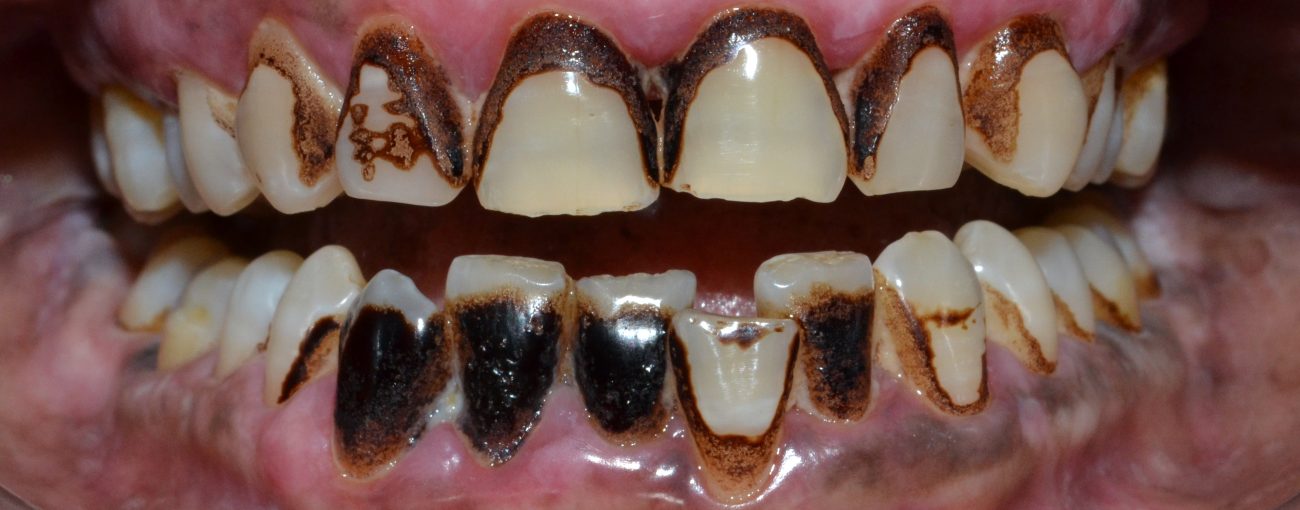
Nicotine and other chemicals in smokeless tobacco stain your teeth, turning them yellow, brown, or even black. These stains often can’t be removed by brushing alone and may require professional dental cleaning.
Accelerated Tooth Wear
Smokeless tobacco products often contain gritty particles that rub against tooth enamel. Over time, enamel wears down — making your teeth more sensitive and prone to decay.
Increased Risk of Cavities
Chewing tobacco frequently contains sugars and flavorings that feed harmful bacteria in your mouth. These bacteria produce acids that erode enamel and cause cavities.
Gum Recession & Gum Disease
Tobacco use increases the risk of periodontal (gum) disease. It can cause gums to pull away from teeth (gum recession), exposing sensitive roots and making it easier for bacteria to damage deeper tissues. In severe cases, gum disease can lead to tooth loss.
Bad Breath & Oral Sores
Tobacco chewers often experience chronic bad breath and can develop persistent mouth sores. Some sores are harmless, but others may not heal and need professional evaluation.
3. Serious Health Risks Beyond the Mouth
While the focus here is on oral health, chewing tobacco also increases your risk of oral cancer — including cancers of the cheek, gums, tongue, and throat. The chemicals in tobacco are proven carcinogens, and long-term exposure can cause dangerous precancerous changes in mouth tissues.
4. Signs You Shouldn’t Ignore
Watch for these symptoms if you or a loved one uses chewing tobacco:
- Persistent stains on teeth
- Gum recession
- Tooth sensitivity
- Loose teeth
- Bad breath that doesn’t go away
- White or red patches inside the mouth
- Sores that do not heal after 1–2 weeks
These could be signs of gum disease, advanced decay, or even early cancerous changes — and should be evaluated by a dentist.
5. The Benefits of Quitting Tobacco Chewing
The good news? Even after years of chewing tobacco, quitting can help your mouth begin to heal. Gum inflammation and soft tissue changes often improve once tobacco use stops. However, permanent damage like severe gum recession or bone loss often needs professional treatment.
Stopping tobacco also significantly reduces your risk of oral cancer and other systemic health problems.
6. Protecting Your Teeth and Mouth
Visit a Qualified Dental Clinic Regularly
Routine dental check-ups — at least every 6 months — help catch early signs of decay or gum disease and allow timely treatment. A professional cleaning can remove stubborn tobacco stains and tartar build-up.
Practice Excellent Oral Hygiene
Brush twice daily with fluoride toothpaste, floss gently every day, and consider using an antibacterial mouthwash.
Professional Evaluations for Smokers and Tobacco Users
If you have used tobacco, your dentist will monitor your oral tissues closely for any precancerous changes or signs of gum disease that need treatment.
7. How Oral Medics Dental Clinic and Implant Centre Can Help
If you’re concerned about the effects of chewing tobacco or have noticed changes in your teeth or gums, Oral Medics Dental Clinic and Implant Centre in Ahmedabad offers comprehensive dental care tailored to your needs.
At Oral Medics Dental Clinic, experienced dentists provide services such as:
- Dental check‐ups & cleanings
- Treatment for gum disease
- Restorative treatments like fillings and crowns
- Root canal therapy
- Dental implants and full mouth rehabilitation
- Personalised counselling on tobacco cessation and oral health maintenance
Whether you’re experiencing staining, sensitivity, gum recession, or want help quitting tobacco, the team at Oral Medics can assess your oral health and guide you with the best treatment plan.
8. Tips for Quitting Tobacco Chewing
Quitting tobacco chewing is challenging, but support from dental and medical professionals increases your chances of success. Here are strategies that can help:
- Set a quit date and prepare for it mentally
- Ask for help from your dentist or doctor
- Join a support group or cessation program
- Use nicotine replacement therapies if recommended by a health professional
- Replace tobacco with healthier habits, like chewing sugar-free gum
Your dentist can also check your progress during follow-ups and help monitor your oral tissues for any signs of damage.
9. Supporting Loved Ones Who Use Tobacco
If someone close to you uses chewing tobacco, your encouragement can make a difference:
- Talk openly about the oral health risks
- Suggest a dental appointment together
- Share educational resources
- Celebrate progress toward quitting, even small steps
Positive support can be a powerful motivator.
10. why to choose us?
Chewing tobacco may seem like a small habit, but its effects on your mouth are deep and lasting. From tooth stains and cavities to gum disease and cancer risk, the consequences are serious — but preventable and treatable with the right care and lifestyle changes
If you’re dealing with the effects of chewing tobacco or want help with quitting, schedule a visit with Oral Medics Dental Clinic and Implant Centre or another trusted dental professional today — your smile and health are worth it.
